Guys, I have so many Mayan facts to dump on you. We got to Copán Ruinas in Honduras from Santa Ana in El Salvador with a series of six public buses and colectivos which was long, hot and boring but ultimately a piece of piss and all the details are below. But! We are here and yes, we’ve put a couple of Mayan ruins in our eyeholes in El Salvador but this shit is next level! I feel like Honduras’ first post deserves to be more than a photo blog but also it’s basically going to be a fact dump and photos are the most visually pleasing way of dumping said facts.
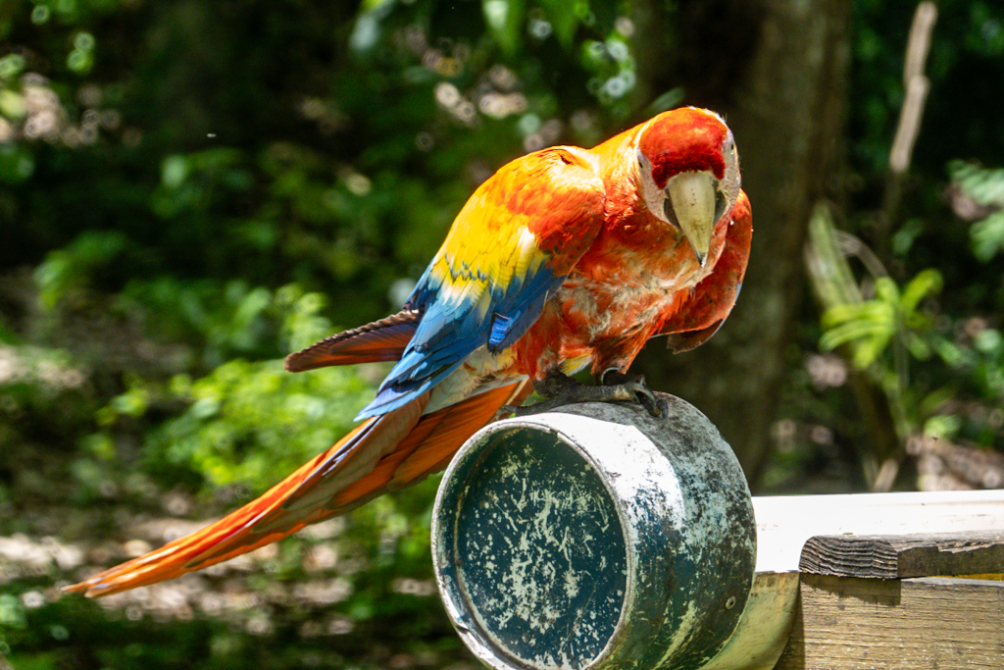
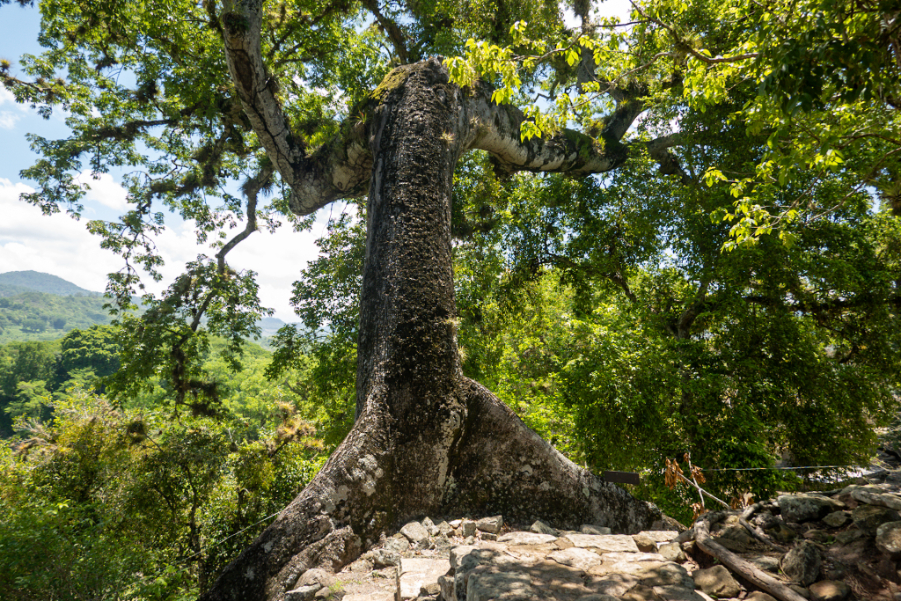
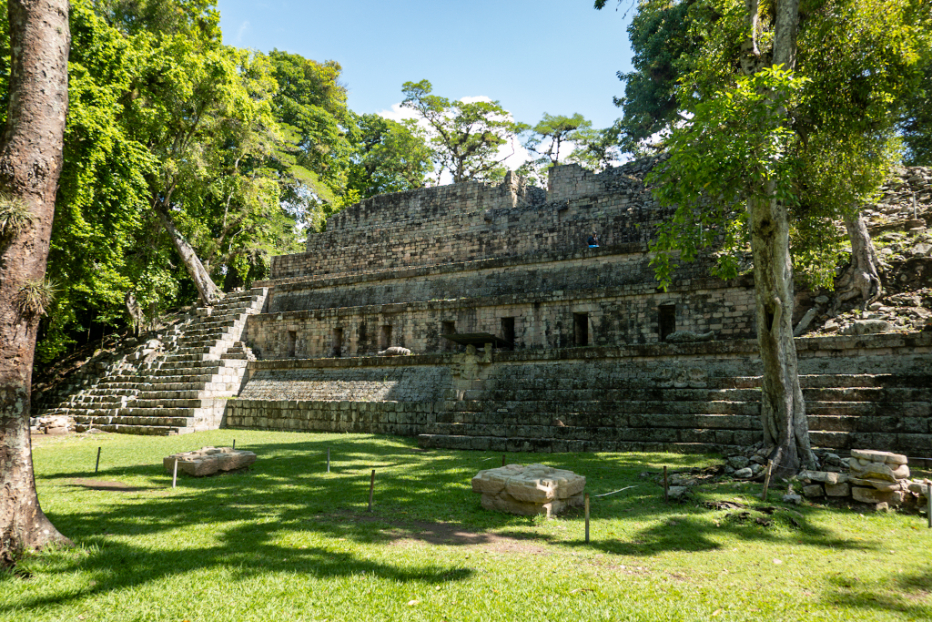
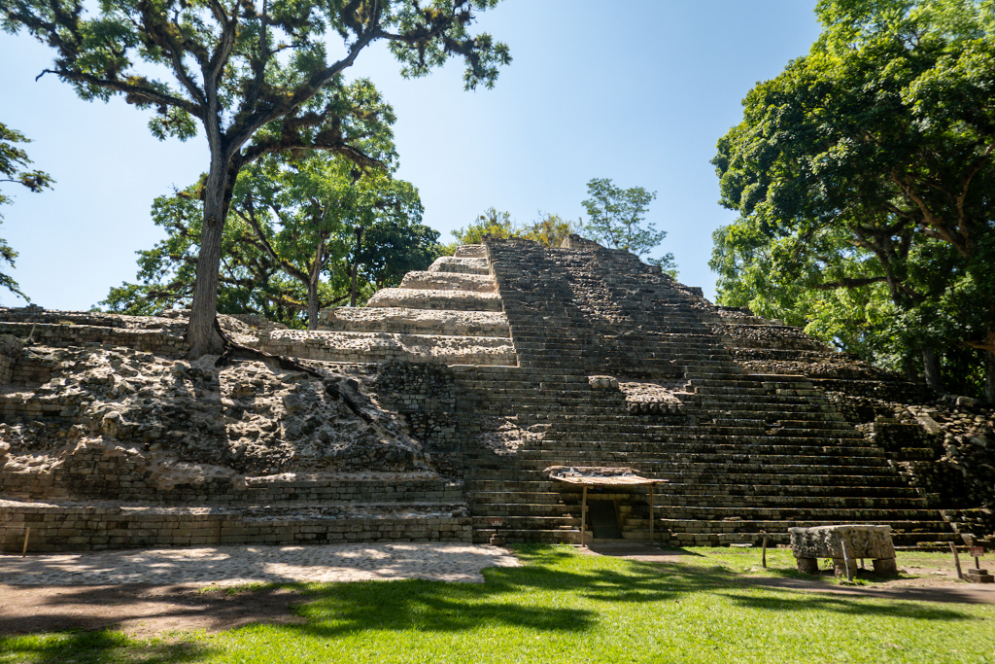
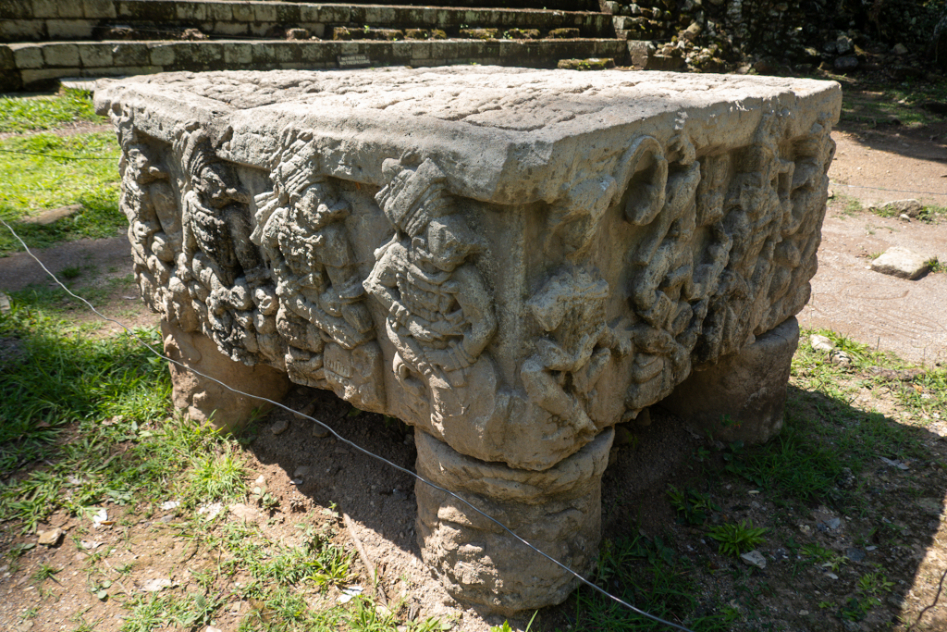
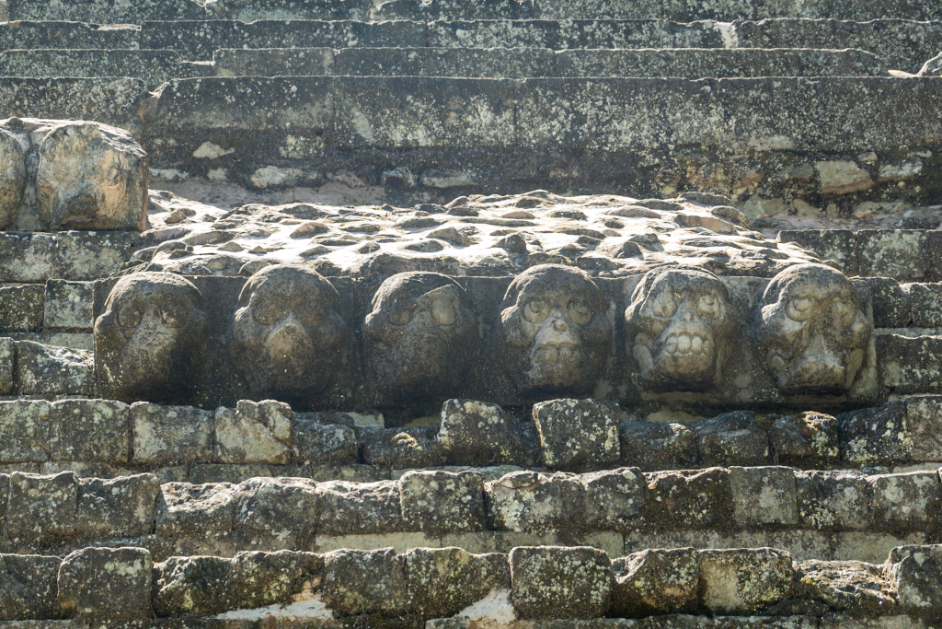

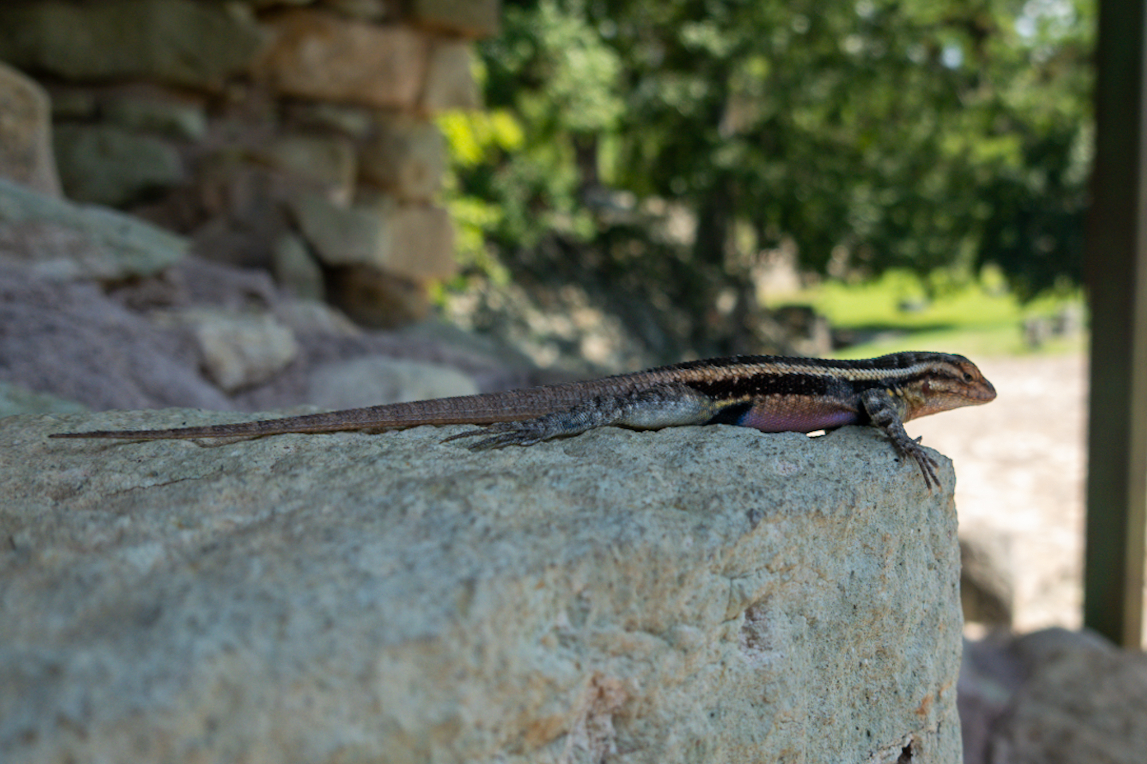
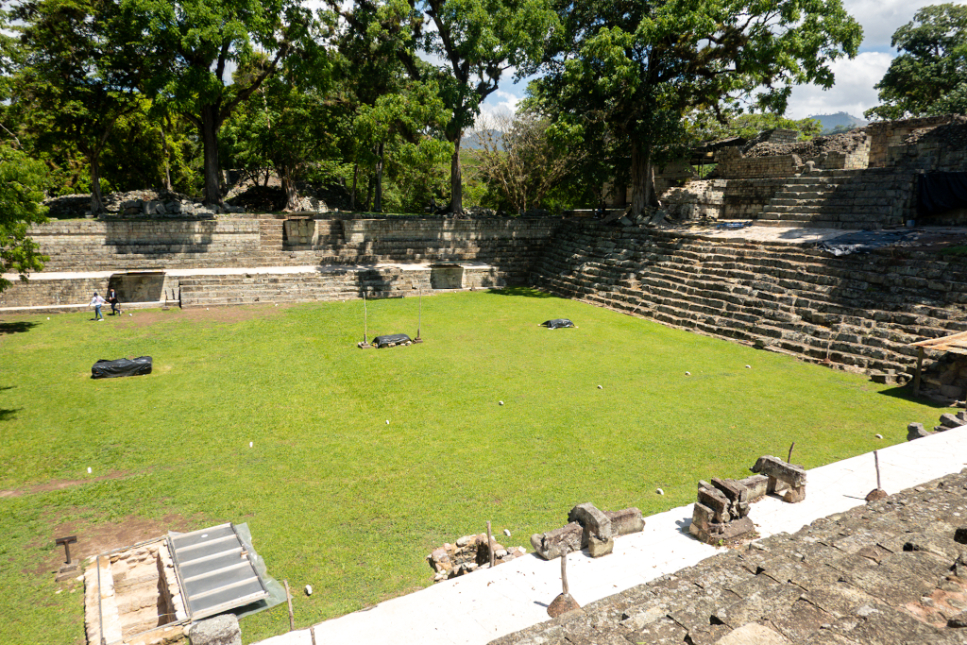
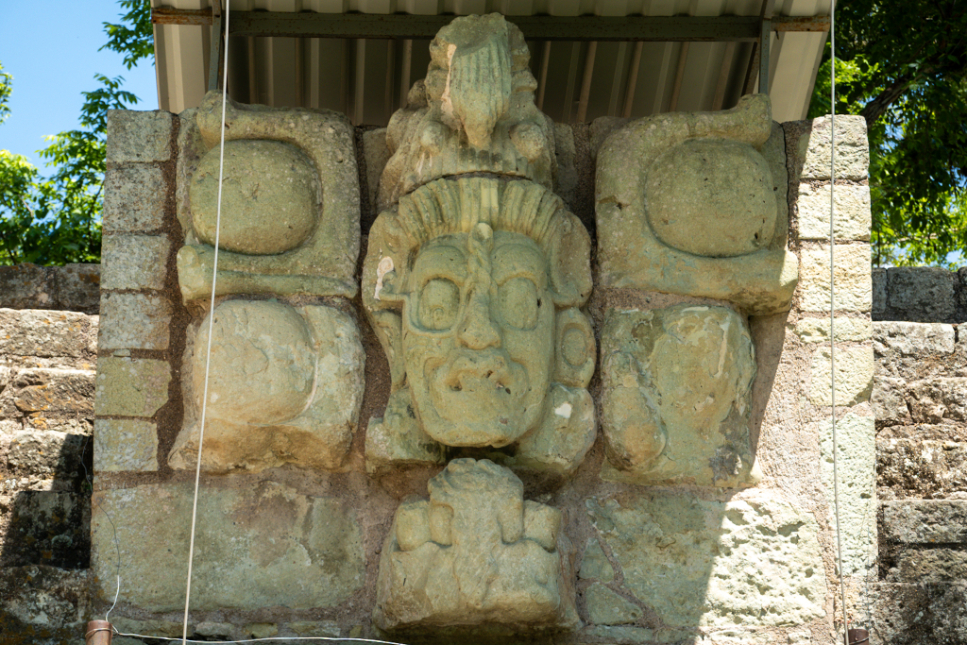
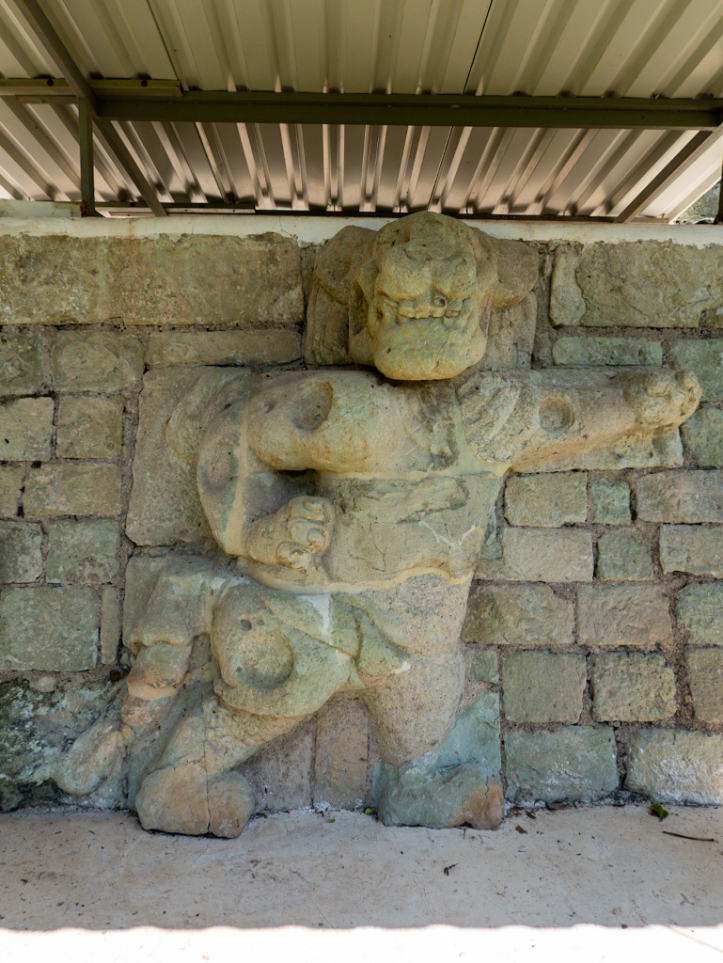
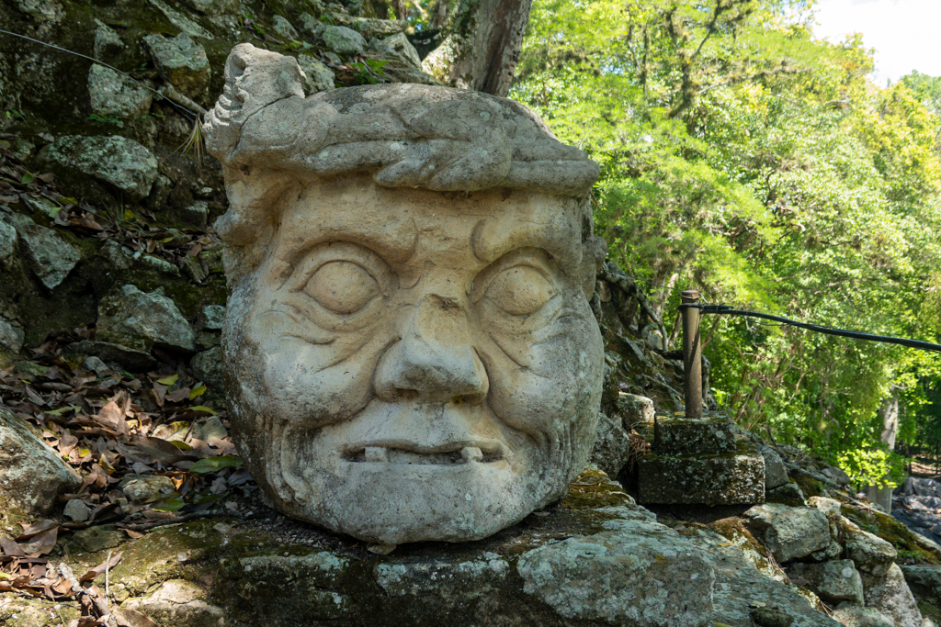
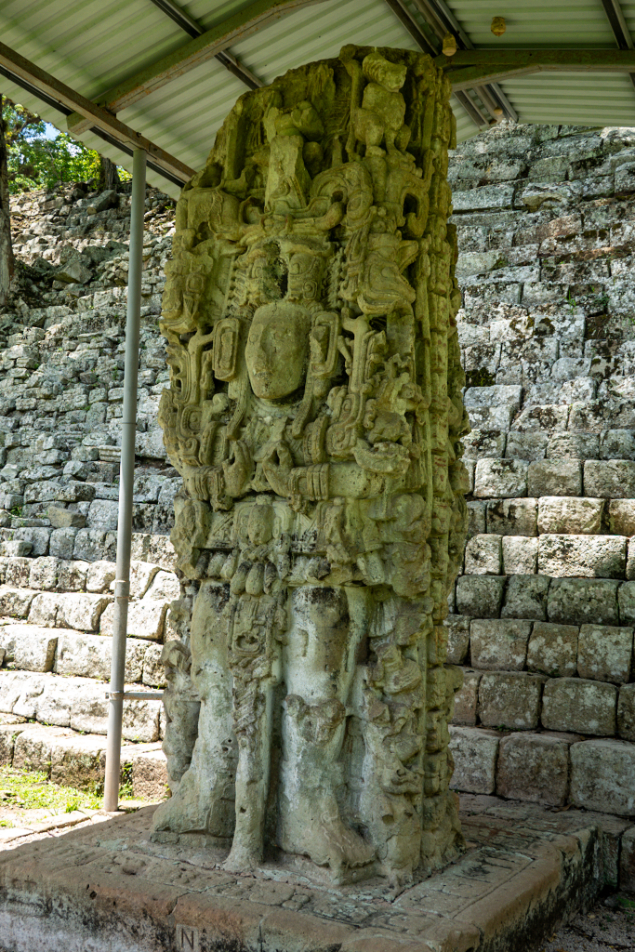
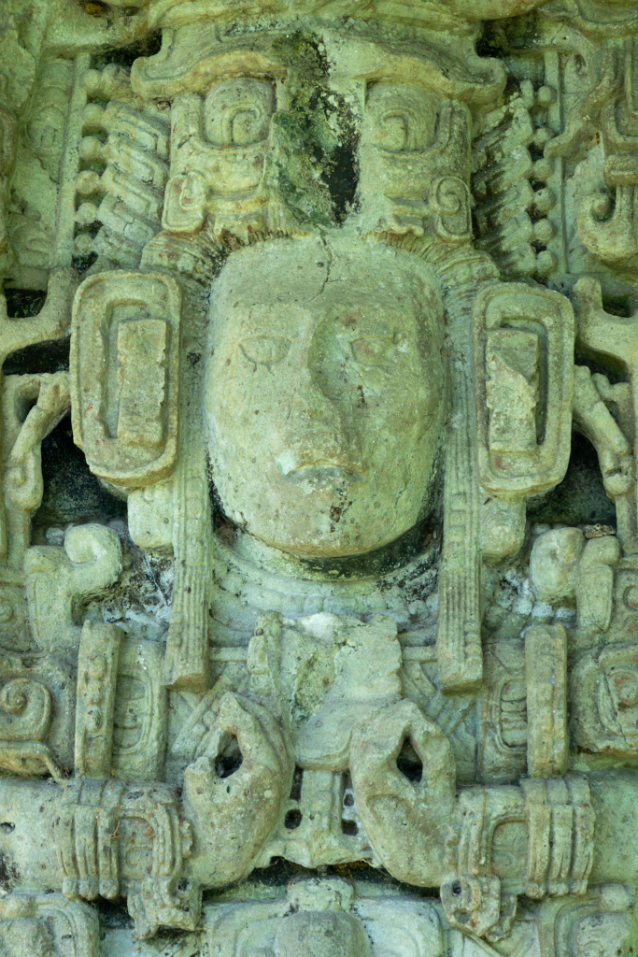
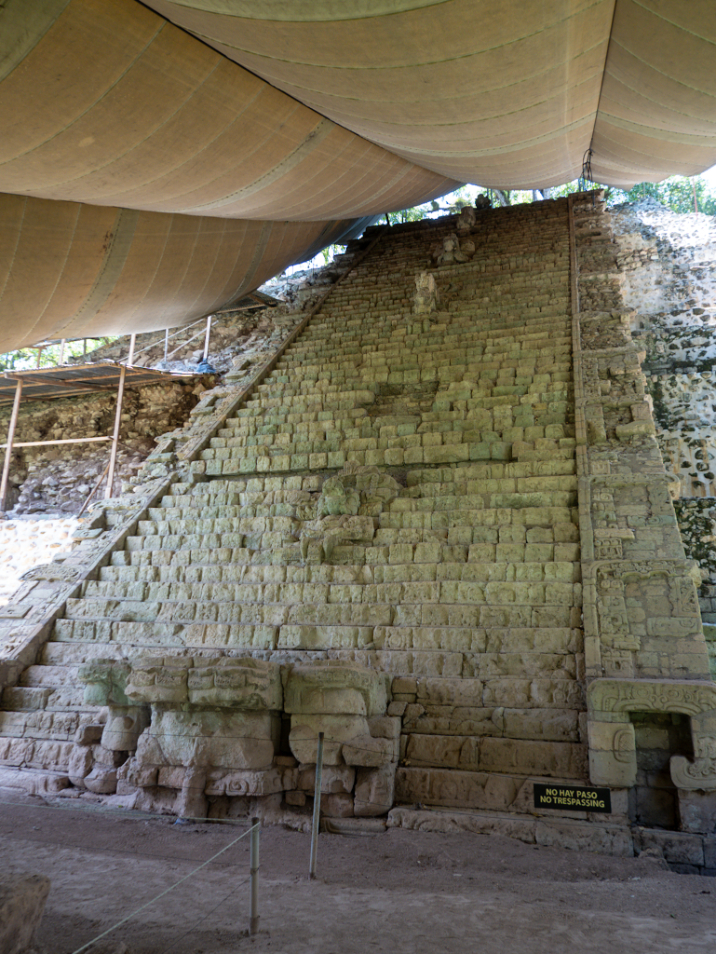
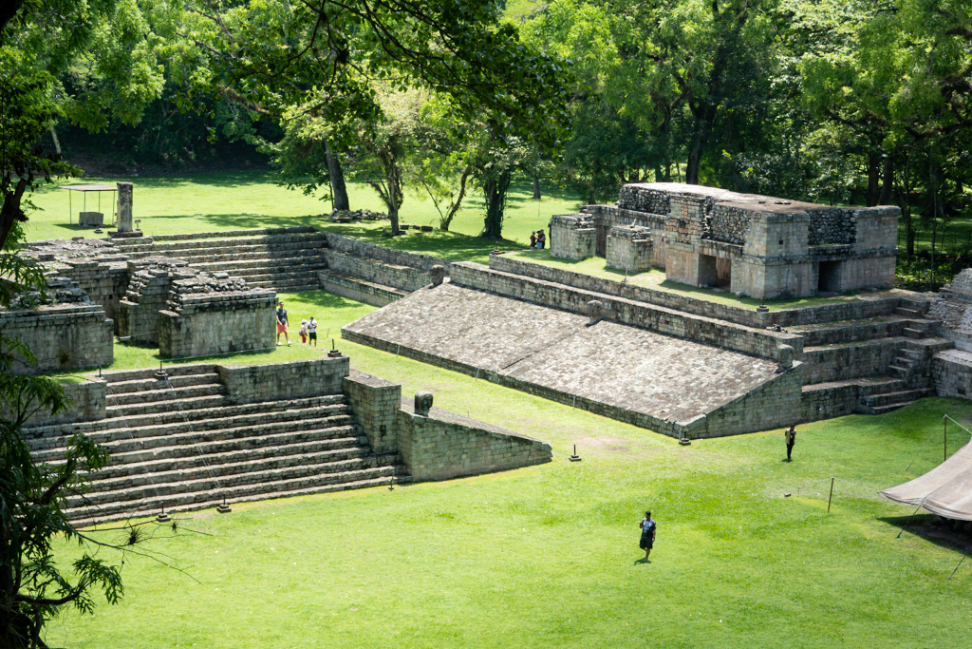
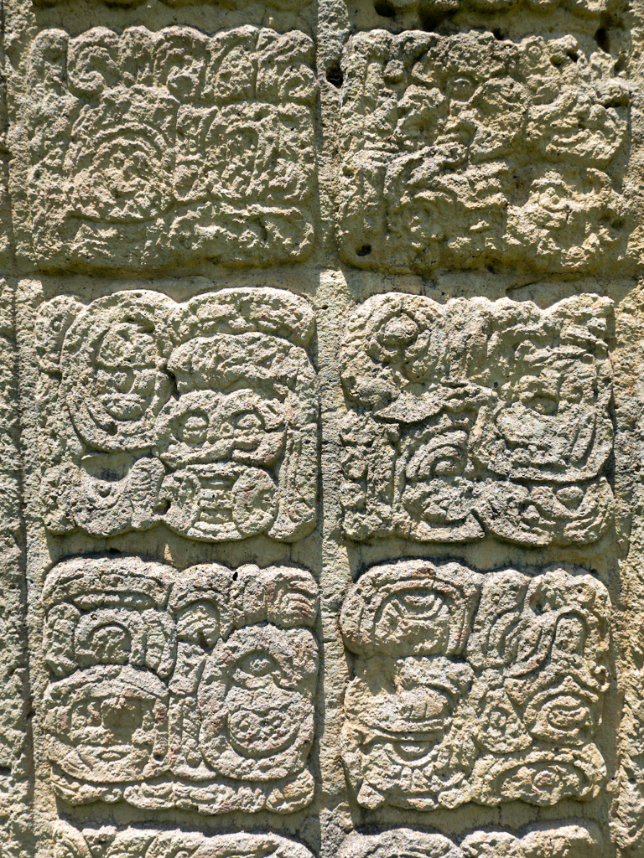
If you’re coming to Copán Ruinas you need to know about the fucking mosquitos though. Oh my gosh, we were all you can eat banquets for the bitey little shits. My left shoulder blade reads like a braille copy of war and peace. I don’t have enough fingernails to satisfy the itching going on right now. They laughed in the face of our DEET and we got the shit in the green can and everything. Everyone knows the greener the DEET can is the more badass it is because green means it can handle Jungle Grade mozzies. Apparently Copán mozzie give no fucks. We’ve got some island time coming up too and I know those beaches are full of sandflies. I’m going to resemble a particularly macabre colander by the end of this Honduran leg.
Jump to “Useful shit to know…”
 Copán Ruinas, Copán, Honduras
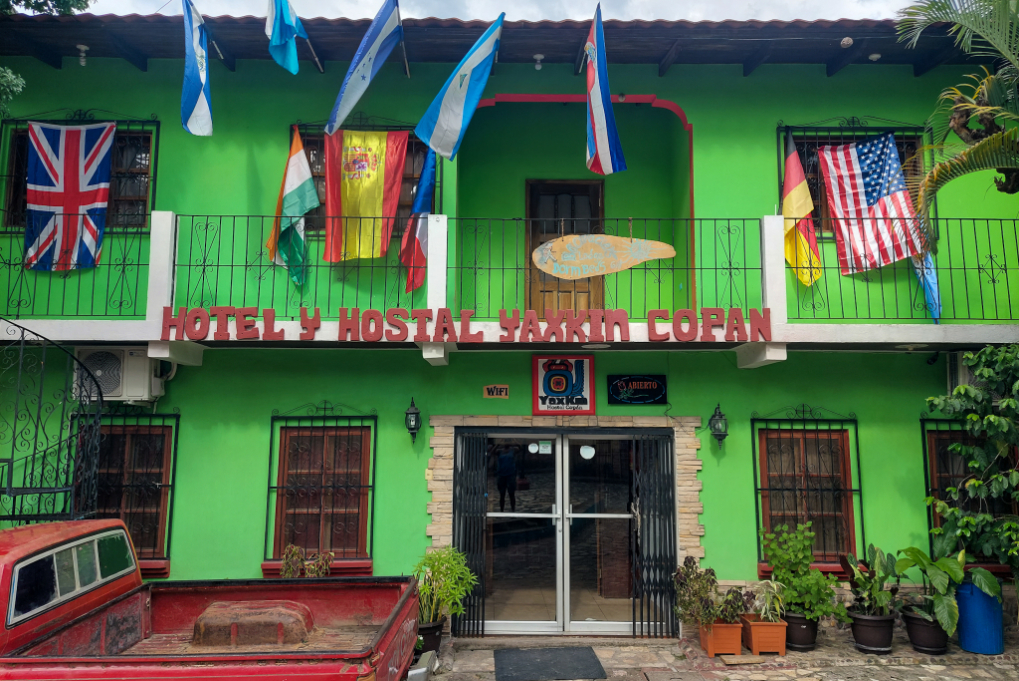
Stayed at: Hotel & Hostal Yaxkin, Copán Ruinas
Useful shit to know…
How To Get From Santa Ana, El Salvador To Copan Ruinas, Honduras (Via Guatemala)
Santa Ana To Anguiata
- The 235 goes to Metapán from Santa Ana.
- It heads down Avenida José Matías Delgado, we caught it at 13.995678, -89.561709 at the back of Iglesia El Calvario.
- We got on at 6.50am. It cost 80 cents each and took an hour and 25 minutes.
- It drops you at a small bus station in the middle of town, coordinates 14.330772, -89.441759.
- This is where shit got confusing. I’d read that we needed to get the 211 to Anguiata, the border, but I also saw other 235 buses with “Anguiata” written on the front along with “Santa Ana” and “Metapán”. I checked the bus we arrived on and it didn’t have “Anguiata” written on the front.
- I checked with a driver of one of the other 235s and he confirmed he was going to the border.
- I think, and bear in mind my Spanish is quite terrible, if the 235 is parked on the left as you look at the road it’s going to la frontera, if it’s parked on the right it’s going to Santa Ana.
- It left just after 9am , cost 56 cents each and took half an hour.
- Incidentally, we didn’t see a 211 in the 40 minutes we were there.
The Anguiata / La Ermita Border Crossing
- The whole thing took fifteen minutes.
- Both El Salvador and Guatemala asked us where we were going but no other questions.
- El Salvador gave us a slip of paper. Guatemala stamped us in.
- There were no exit or entry fees.
- There were no queues at 9.30am on a Friday.
Anguiata / La Ermita To El Florido Across Guatemala
- Walk up the road to where there are some shops, coordinates 14.414498, -89.438571, to wait for the bus.
- A minibus to Vado Hondo arrived at 10.10am.
- It cost Q30 each and took nearly two hours.
- We only had to wait at the junction for about ten minutes before a minibus to the border showed up.
- It cost Q25 each which was valid all the way to the El Florido border but you have to change buses. You’ll be given tickets, keep hold of them as you’ll need to show them on the second bus.
- It took half an hour to get to Jocotán where we had to change, and we had to wait a bit before the second bus was ready to leave.
- It left Jocotán at 1.10pm and took 45 minutes.
- You’re dropped very close to a shop selling snack and cold drinks, and there’s a toilet here for Q5.
El Florido Border Crossing
- As of 15th August 2024, British citizens need a visa to enter Honduras and you need to get this in person from the London embassy. The Honduran embassy has information on how to get a visa on this website in Spanish.
- Both Guatemala and Honduras immigration are in the same gloriously air conditioned building.
- There were no queues at 2pm on a Friday.
- Guatemala stamped us out quickly and without fuss.
- Honduras took a little longer to stamp us in. Fingerprints and a photo are taken.
- They asked where we were going and confirmed our remaining time in the CA4 region.
- Don’t forget, you need to fill out your prechequeo before you try and enter Honduras. You don’t need to print anything, they’ll know if you’ve done it when they scan your passport.
- The entry tax is US$3 each but it can only be paid in quetzales or lempira. They asked for Q30 or L80 which is actually slightly more than US$3 and is better value if you pay in lempiras. Though there’s pence in it really.
- We were stamped in and the whole thing only took about twenty minutes for both of us.
El Florido To Copán Ruinas
- Keep walking into Honduras, you’ll find a colectivo or probably a guy asking you if you want want to go to Copán.
- They’ll leave when they’re full.
- It cost L25 each and took about twenty minutes.
- You’ll be dropped at the little triangle at the east of town, coordinates 14.839438, -89.158971.
- Total cost in USD: $9.39 in transport, plus the $3 entry tax.
- Total time from getting on the first bus to getting off the last bus: Eight hours and ten minutes.
- It costs US$15 or L375 for foreigners to see the ruins.
- The museum and tunnels have to be paid for separately. We didn’t bother so I don’t know if they’re worth it.
- You can take a guide if you like, some of them speak English. I’ve heard it’s US$30 for up to five people.
- You can download an audio guide which cost GB£10.49 from the Google Play store. It’s absolutely worth it if you’re not taking a human guide.
- It’s available on Apple too.
- The app says headphones are mandatory and we borrowed some from the guide hut but I don’t think anyone will give a flying fuck if you don’t have them.
 Travel & Shit